Key Takeaways
In this article I will cover:
- Why it is Crucial to AOSB Success: Current affairs awareness sits at the heart of AOSB success. It shapes your performance in the interview, the essay, and the group discussion.
- Officer's Responsibility: Life as an officer is full of uncertainty. When soldiers ask "Why are we here?", that answer cannot come from guesswork. It can only come from genuine awareness of the world and the forces that shape it.
- Impossibility of Cramming: Current affairs knowledge takes months of consistent, gradual exposure to develop. The range of topics that could come up is too broad. Start early, and build the habit before it is too late.
- Importance of Source Quality: The quality of your understanding depends on the quality of the information you consume. Reliable sources help you see issues from multiple perspectives and form independent judgements.
- Limits of Raw Intelligence: It does not matter how smart you are. If you do not have actual knowledge of current affairs, you will not be able to speak about them effectively. Intelligence helps you structure an argument, but you need content to fill that structure.
Current affairs awareness is crucial for AOSB success and a defining habit of an officer. It underpins success in the group discussion, where clear communication depends on understanding the topic being discussed. It shapes the quality of your essay, where you need recent and relevant examples to support your argument. And it forms the basis of your interview, where assessors will explore your understanding of national and international issues.
It is easy for capable candidates to underestimate this, assuming that strong academic ability will be enough. In practice, success at AOSB depends on having a genuine understanding of current events and being able to use that knowledge to think and communicate with confidence.
In this guide, I explain why current affairs matters, what it really means, and how to build the awareness that officers need. You will learn how to choose and evaluate your information sources, and how to develop a sustainable approach that keeps you informed and ready.
Why Current Affairs Matters for Officers
The British Army's Global Reach
In recent years, the British Army has deployed on a wide range of operations and missions. During Operation Rescript, troops supported the national COVID-19 response, building hospitals, running testing sites and delivering vaccines. In Operation Pitting, soldiers deployed to Kabul at short notice to help evacuate British nationals and Afghan partners as the Taliban advanced. Elsewhere, Operation Shader continues the campaign against Daesh in Iraq and Syria, Operation Kipion maintains a steady UK presence in the Gulf, and following Russia's invasion of Ukraine, thousands of soldiers have reinforced NATO's eastern flank.
All of these examples have taken place since 2020, and they are only a small selection of the British Army's activities during this time. Much more has taken place quietly and without recognition. More broadly, the British Army has operated in hundreds of countries in the modern era, from the Falkland Islands to Mali, carrying out everything from humanitarian aid and peacekeeping to combat operations, deterrence, disaster relief, training and security assistance. It is a range far wider than many people realise, and illustrates just how diverse the British Army's commitments are.
The Officer's Responsibility
Life as a British Army officer is full of uncertainty and challenge. You can be deployed into almost any situation, anywhere, often with little notice, and expected to lead with confidence and clarity. When situations change rapidly, it is you that your soldiers rely on for direction and assurance. You are responsible for explaining purpose, making decisions under pressure and maintaining composure when your soldiers ask, "Why are we here?" That answer cannot come from guesswork; it can only come from genuine awareness.
You do not need to be an expert in every global issue, but you do need a broad understanding of the world and the forces that shape it. Political shifts, regional tensions, technology and public opinion all influence the Army's work. Knowing the context makes your leadership credible, in the field, in the ops room and in the mess. It allows you to connect what is happening on the ground to what is happening in the world and to lead with clarity, confidence and purpose. When decisions carry real consequences, understanding current affairs is not optional, it is a crucial aspect of professional competence.
Why Current Affairs Matters for AOSB
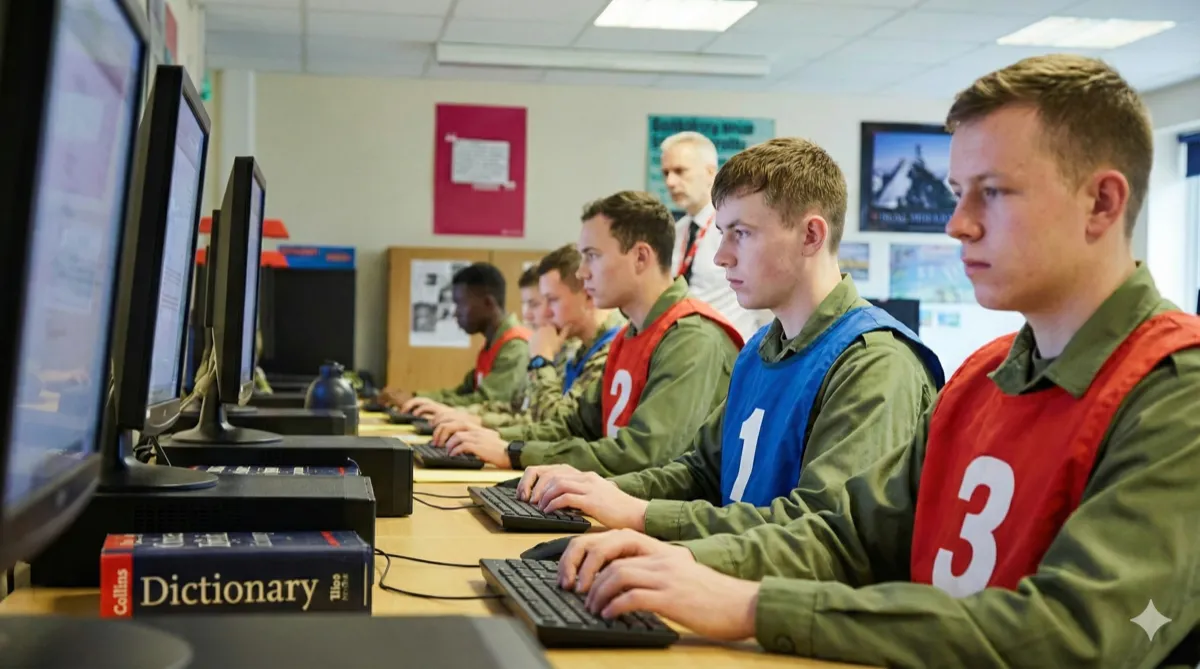
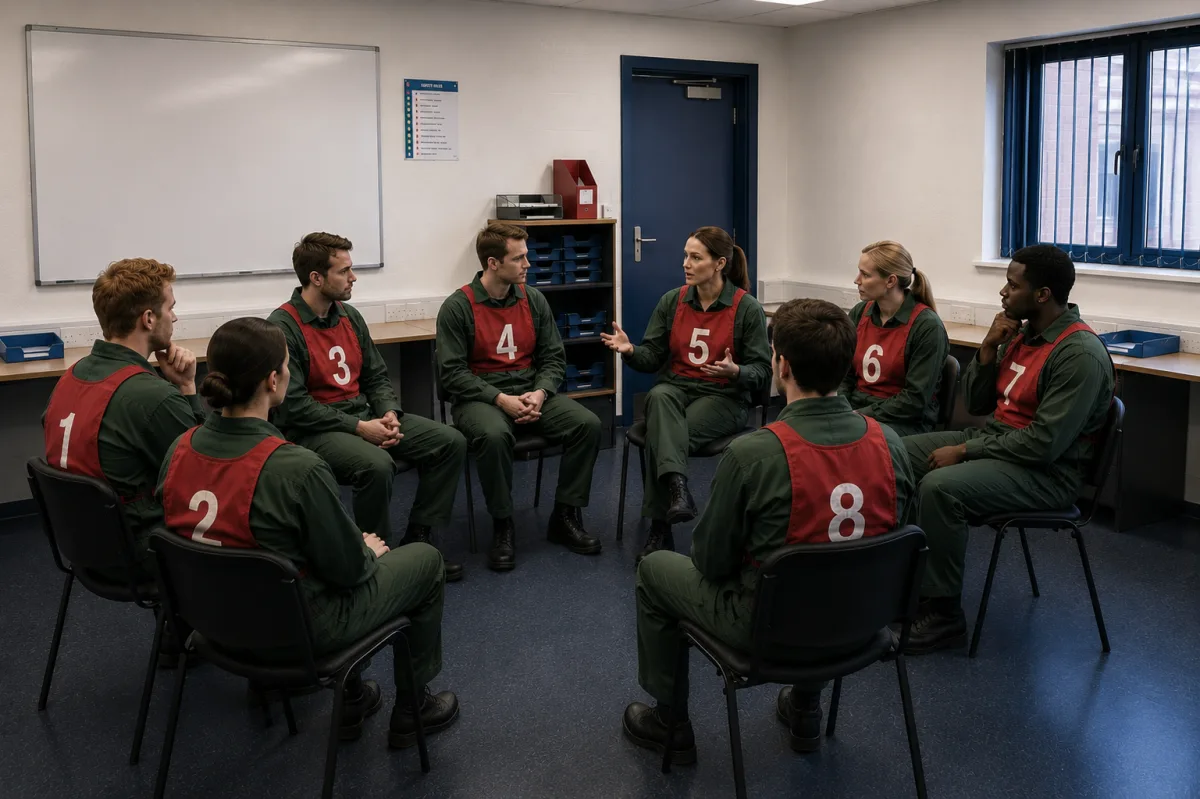
The breadth of responsibility carried by officers is one of the reasons that current affairs knowledge sits at the heart of success at AOSB. It underpins success in several of the key assessments. During the interview, assessors will explore your understanding of national and international issues to see how well you appreciate the environment you hope to serve in. When you write your essay, you will need to use recent and relevant examples to support your argument and show balanced reasoning. Likewise, in the group discussion, clear communication depends on understanding the topic being discussed. Without that foundation, even confident speakers struggle to contribute meaningfully.
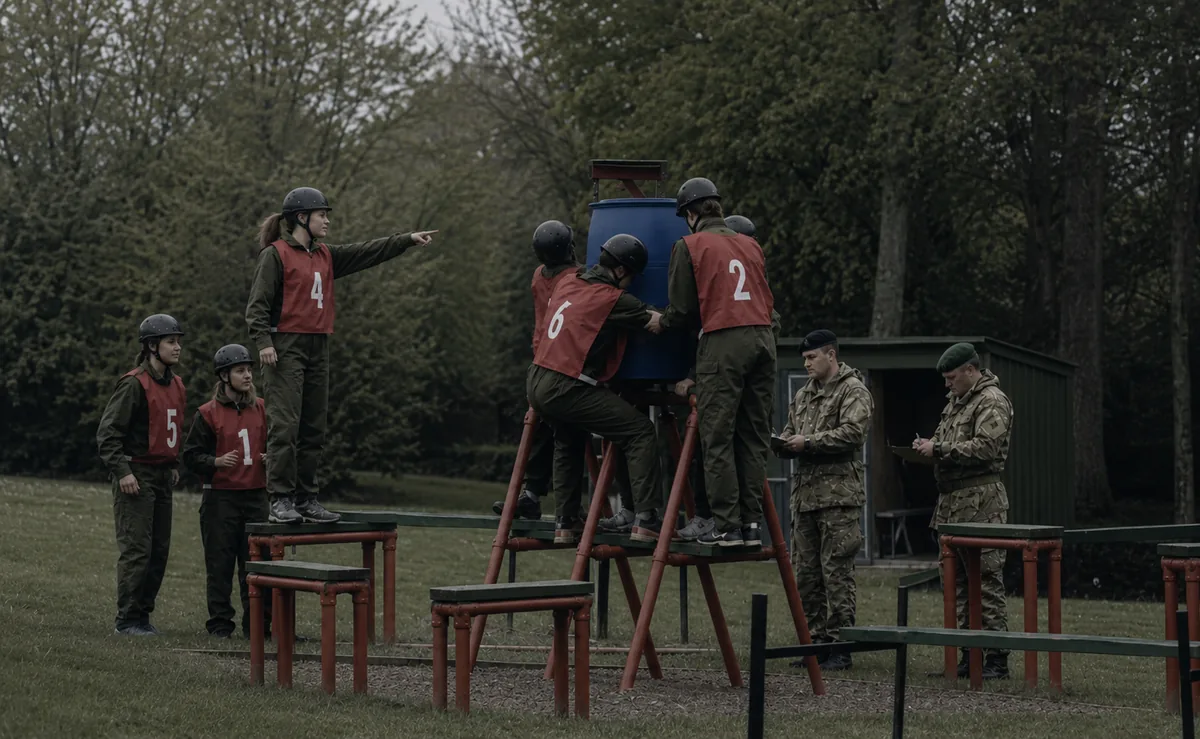
The group discussion takes place early in AOSB Briefing, which means it is one of the first opportunities assessors get to form an impression of you. A strong performance there sets a positive tone for everything that follows. Those who keep up with current affairs arrive better prepared for every task. The same awareness also provides an excellent foundation for life at Sandhurst and beyond, giving future officers the habit of thinking critically about the world they serve in.
If you want a complete overview of the selection process and how these assessments fit together, read my definitive guide to AOSB Main Board. For the Army’s official explanation of the officer assessment pathway, see the British Army’s AOSB information page.
What Current Affairs Actually Means
At first glance, the UK's housing crisis, the war in Ukraine, and the threat of mass unemployment posed by artificial intelligence seem to belong to completely different worlds. One concerns the cost of homes, another a conflict in Eastern Europe, and the third the impact of technology on work and society. Yet if you step back, they form part of the same picture, serving as reminders of how political decisions, economic pressures, and global events overlap and shape everyday life.
Studying current affairs means examining the forces that shape the world around us today. It goes beyond headlines and surface-level reporting to explore the political, economic, technological, and social dynamics that influence how people live and how power is exercised, by governments, companies, and individuals alike. These forces connect decisions made in one place to consequences felt in another, revealing how events and ideas interact across borders.
Understanding current affairs means recognising those links, judging why they matter, and anticipating what might follow. It is less about memorising facts and more about developing awareness. Ultimately, it is about learning to see how the world really works.
Defence, Security, and Geopolitics
For a British Army Officer, an awareness of current affairs is especially important in terms of defence, security, and geopolitics, as they directly shape the British Army's operating environment and the strategic decisions within it. To give just one example, the Government's Strategic Defence Review (June 2025) showed how Russian aggression in Eastern Europe is driving national defence priorities. In response to the invasion of Ukraine and the changing nature of warfare, the Review committed to raising defence spending to 2.5 percent of GDP by 2027, with an ambition to reach 3 percent in the next Parliament. This represented the largest sustained increase since the Cold War as well as signalling a significant shift towards warfighting readiness.
This review will play a major role in shaping the British Army's capability and posture. It will influence how units are structured, equipped, and trained, as well as where and how the UK projects its military presence. Greater investment in technology, readiness, and interoperability with allies will also impact the types of operations British soldiers conduct and the environments in which they serve.
For future officers, this means leading in a force that is more integrated, technologically advanced, and ready to respond rapidly to emerging crises worldwide. Keeping track of such developments helps you understand how strategic decisions become military realities and how global trends define the profession you are about to join. Building this habit of awareness now will give you a strong foundation for your AOSB preparation and your future as an officer.
Download Your Free AOSB Preparation Guide
Get the complete 34-page guide delivered straight to your inbox.
Choosing Your Sources
Why Source Quality Matters
The quality of your understanding depends on the quality of the information you consume. As a future officer, you need a balanced view of the world. It must be built on credible, well-sourced reporting rather than opinion or algorithms. Reliable sources help you see issues from multiple perspectives and form independent judgements. Reading narrowly, or relying on unverified content online, limits that awareness and weakens the credibility of your opinions.
Different Types of Current Affairs Sources
Different sources serve different purposes. Each provides its own kind of value, from daily reporting to in-depth analysis. The key is not to rely on a single outlet but to understand what each type offers and how to use it. The table below outlines the main kinds of current affairs sources, with examples and a guide to their relative reliability.
| Type of Source | Examples | Strengths and Considerations | Reliability |
|---|---|---|---|
| Weekly Magazines | The Economist, The Week, Foreign Affairs | Offer broader analysis and context, helping you see patterns beyond the news cycle. Ideal for developing long-term awareness rather than reacting to daily events. | High |
| Broadsheet Newspapers | The Times, The Telegraph, The Guardian, Financial Times | Reliable daily coverage with professional standards of reporting. Each has its own editorial stance, so reading across more than one gives balance and perspective. | High |
| Broadcast and Audio Media | BBC News, Sky News, BBC Radio 4 – The Briefing Room, The Rest is Politics | Deliver concise, expert commentary on current issues and are easy to integrate into a daily routine. Useful for keeping up to date and hearing informed discussion. | High |
| Official and Analytical Sources | RUSI, IISS, GOV.UK, House of Commons Library, Chatham House | Provide in-depth, evidence-based analysis on defence, security, and policy. Best for reliable facts and understanding complex developments. | High |
| Books and Long-Form Reading | Prisoners of Geography (Tim Marshall), Sapiens (Yuval Noah Harari), The Utility of Force (Rupert Smith) | Offer depth and understanding that daily media cannot. Reading a few well-chosen books in depth significantly enhances understanding of context, causes, and consequences. | High |
| Generative AI | ChatGPT, Claude, Gemini, Grok, Perplexity | Helpful for summarising complex content clearly and quickly. However, they can produce factual errors or hallucinations and should always be cross-checked against trusted sources. | Medium |
| Social Media | X (Twitter), YouTube, Reddit | Useful for breaking stories and hearing varied perspectives, but unfiltered and often biased. Engage critically and verify information elsewhere. | Low |
Building awareness means drawing on a variety of perspectives, though it is important to focus on quality rather than quantity. Aim for balance by combining a few high-reliability sources that you can follow regularly with occasional deeper reading or listening for context. The goal is to form a clear, informed view of events rather than to keep up with every story.
Recommended Reading and Listening
The following sources are consistently reliable, balanced, and informative. Together they provide a strong foundation for understanding national and international affairs, in addition to defence and security trends.
| Source | Format | Why It's Worth Your Time |
|---|---|---|
| The Week | Weekly magazine | A concise, accessible summary of the week's main stories, showing how they're reported from both left- and right-leaning perspectives. The best place to start if you're new to following current affairs. |
| The Economist | Weekly magazine | Balanced global coverage connecting UK, defence, and international issues. Excellent for understanding how politics, economics, and technology interact over time. |
| Financial Times (FT) | Daily newspaper | High-quality reporting on global economics, policy, and business. Language can be technical, but it builds strong awareness of financial and political drivers. |
| BBC Radio 4 – The Briefing Room | Podcast | A weekly programme that explores one major issue in depth with expert guests and clear analysis. Topics range from geopolitics and defence to social policy, offering context behind the headlines. |
| The Rest is Politics | Podcast | Hosted by Alastair Campbell and Rory Stewart, it offers calm, insider discussion on current affairs from two contrasting political perspectives. It is accessible, thoughtful, and encourages open-minded debate. |
| RUSI | Think tank | RUSI is the UK's leading defence and security think tank. Provides expert commentary and research on military strategy, international relations, and emerging threats. |
| IISS | Think tank | IISS is a world-renowned authority on defence and global security. Publishes the Military Balance and strategic assessments that offer insight into global military capabilities and trends. |
Select one or two sources that you enjoy and can follow regularly. A single weekly magazine or podcast, supported by a daily newspaper such as The Times, The Telegraph, or The Guardian, is more than enough to stay informed and build lasting awareness.
Common Mistakes
Avoid these pitfalls that trip up candidates when building their current affairs awareness:
Starting too late. Current affairs knowledge cannot be crammed. It takes months of consistent, gradual exposure to develop. Start early.
Trying to learn everything. The range of topics is too broad to master completely. Focus on building breadth of awareness, not depth on every issue.
Relying on general intelligence without actual current affairs knowledge. Intelligence helps you structure an argument, but you need content to fill that structure.
Not practising speaking about topics before the day. Knowing information and articulating it under pressure are different skills. Bridge that gap early.
Reading only one source or perspective. Relying on a single outlet limits your awareness and weakens the credibility of your opinions. Balance is essential.
Frequently Asked Questions
How far in advance of AOSB should I start following current affairs?
Start as early as you possibly can, ideally several months before Briefing. Current affairs awareness cannot be crammed. It takes consistent, gradual exposure to develop, and the range of topics that could come up is far too broad to cover in a few weeks.
What are the best current affairs sources for AOSB preparation?
A single weekly magazine or podcast, supported by a daily broadsheet, is enough. The Week is the best starting point if you are new to current affairs, The Economist offers balanced global coverage, and podcasts such as The Briefing Room and The Rest is Politics fit easily into a daily routine. For defence and security depth, RUSI and IISS are the UK's leading authorities.
Do I need to be an expert on defence and geopolitics?
No. Assessors are looking for broad awareness, not specialist expertise. You need enough understanding of national and international issues to discuss them intelligently, see multiple perspectives, and connect events to their wider context. Breadth matters more than depth on any single issue.
Where does current affairs actually come up at AOSB?
In at least three assessments. The interview explores your understanding of national and international issues, the essay requires recent and relevant examples to support your argument, and the group discussion depends on understanding the topics being debated.
Final Thoughts
Current affairs awareness is not an optional extra for aspiring officers. It is a professional requirement that underpins success at AOSB and defines credible leadership in service. The group discussion, the essay, and the interview all depend on genuine knowledge of the world you hope to serve in.
Start building your awareness now. Choose a few reliable sources, make it a daily habit, and practise speaking about topics as well as reading about them. The candidates who succeed are not necessarily the most academically gifted. They are the ones who arrive with genuine understanding of current events and the ability to communicate that knowledge with confidence.
Wide reading is a natural companion to current affairs awareness. Books give you the frameworks for understanding leadership and decision-making, while current affairs give you the practical context in which those frameworks apply. For recommendations on what to read, see my officer reading list.
You are preparing to lead soldiers who will rely on you for direction and assurance. That responsibility begins with understanding the world around you.
Ready to Begin Your Prep?
Officer Ready gives you everything you need to arrive at Westbury prepared. Psychometric test practice, planning exercises, and expert guidance from a former British Army officer. Built on the methods the Army uses to develop its own leaders.
Start Preparing