Key Takeaways
In this article I will cover:
- Why Mistakes Are Inevitable: Main Board is designed to push you out of your comfort zone, because the DS want to see how you handle adversity.
- The Importance of Resilience: The DS want to see you put that mistake to the back of your mind and keep going, as if it never happened.
- Having a Mental Reset Button: Acknowledge the mistake, take a breath, regain your composure, and carry on.
- Why You Should Seek out Stressful Situations: Voluntarily putting yourself in these situations and overcoming them builds confidence that cannot be faked.
- How the Mark Scheme Protects You: A mistake on one assessment cannot touch your mark on another. The damage is contained to one box on one mark sheet.
It doesn't matter who you are or how well you've prepared. If you go to Main Board, at some point you will have that "oh s***" moment. It's absolutely inevitable.
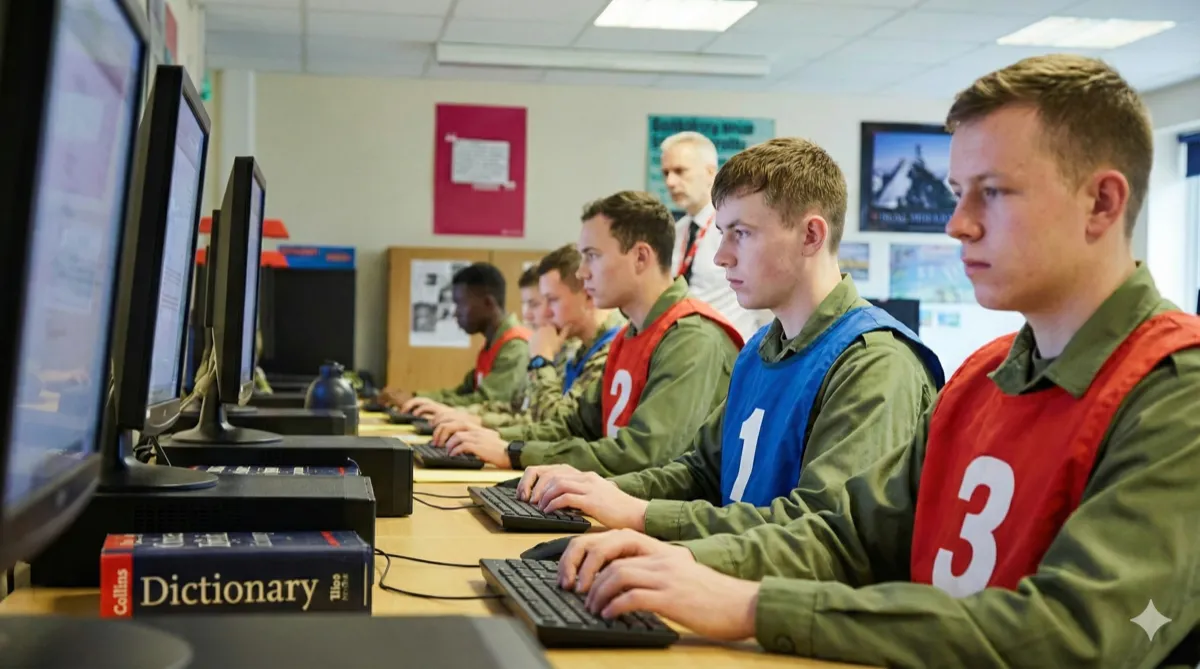
It could be getting your numbers wrong in the Plan Ex brief. It could be blanking when you are coming up with your syndicate's plan during your command task. Or perhaps you'll come out of the abstract reasoning test feeling like you didn't get a single answer correct.
Everybody who goes to Main Board will have that moment, where they realise things have gone seriously wrong. And for every single one of you, it will be slightly different. But a single mistake will not define your performance, unless you allow it to. Main Board is four days long, and you have plenty of opportunity to claw back one mistake. The only way it becomes a serious problem is if you let it.
The mistakes are coming because Main Board is built to provoke them. Your response to pressure can be trained in the weeks before you go, so that you are not relying on luck when it happens. And the way you are assessed protects you far more than you would think, because one mistake does far less damage than it feels like it is doing at the time.
Why Mistakes at Main Board Are Inevitable
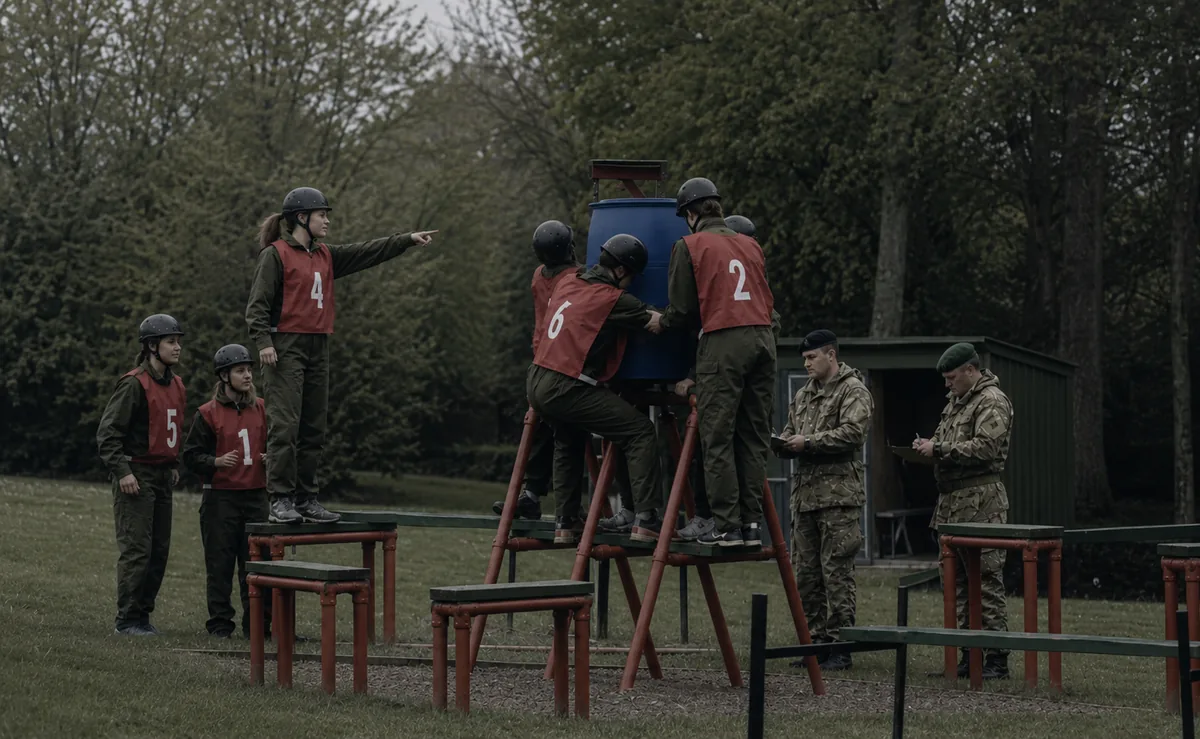
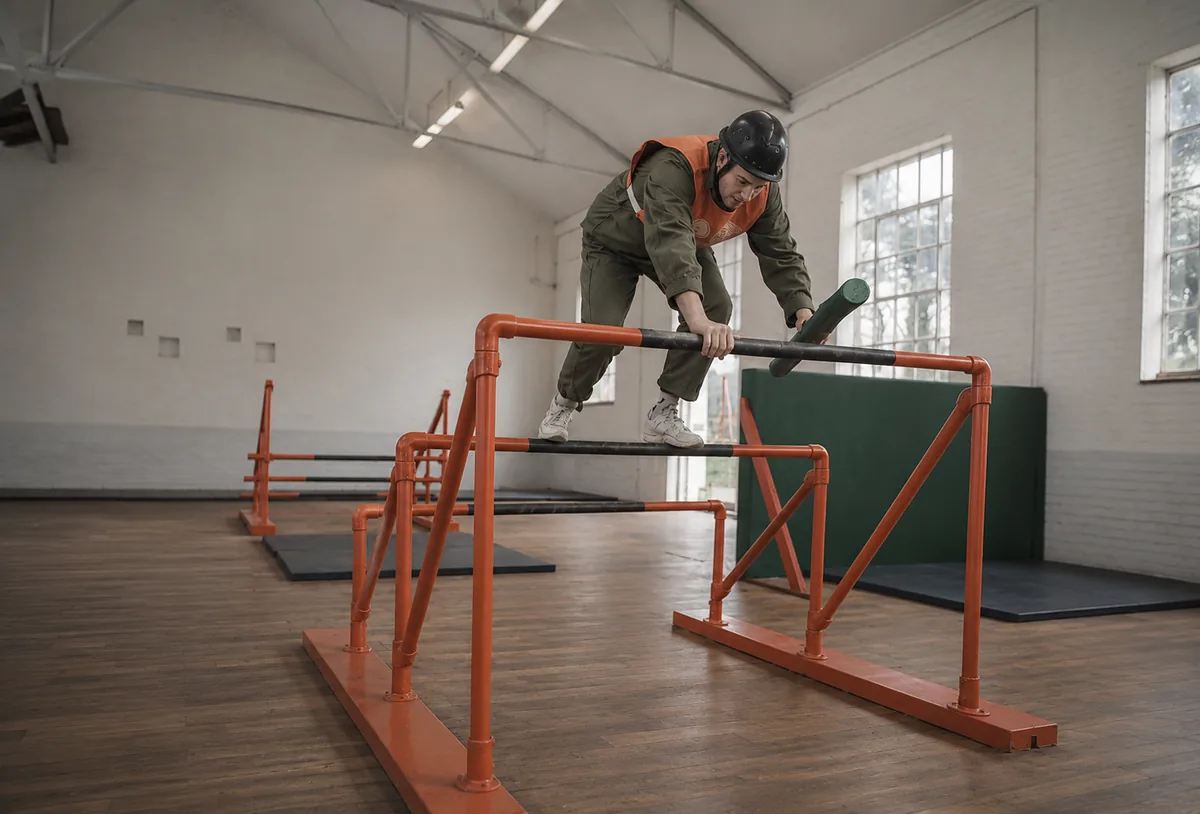
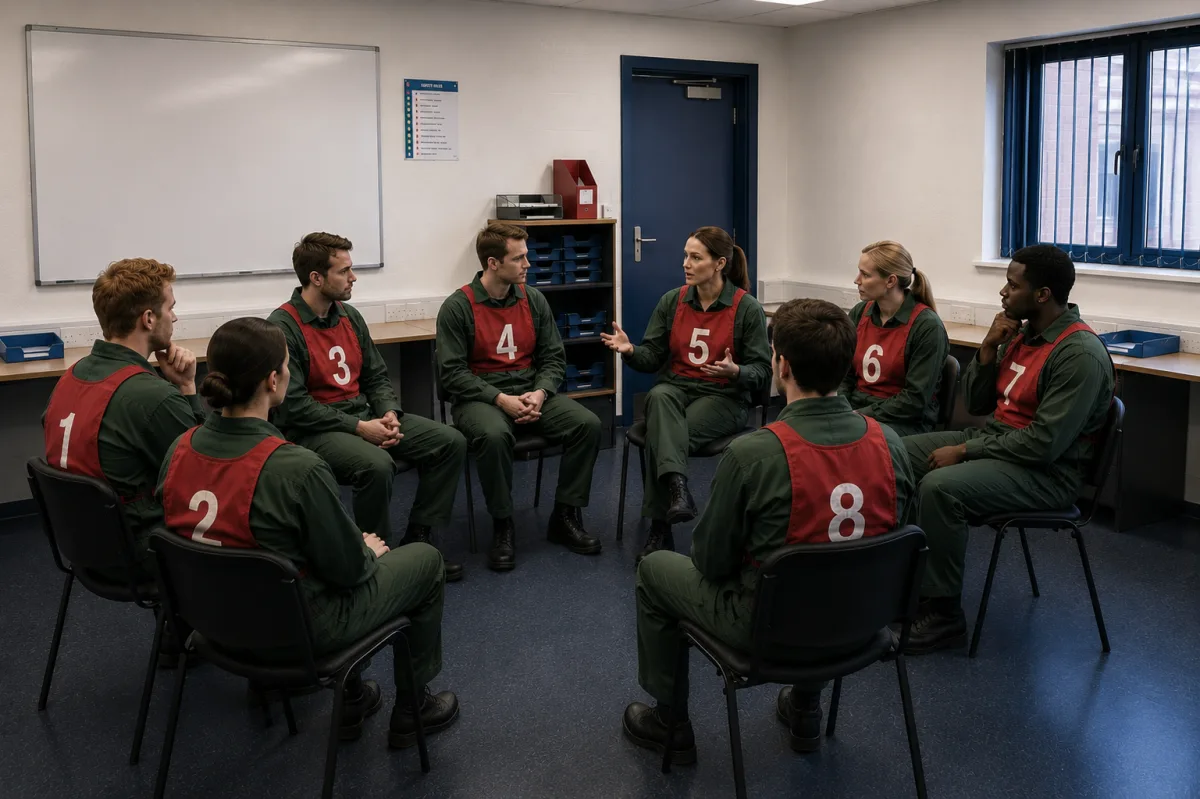
Main Board is designed to push you out of your comfort zone. You are facing an assessment that defines your future, carrying out tasks you're unfamiliar with, with people you don't know, while you're surrounded by stony-faced DS with clipboards. Oh, and you're wearing a green jumpsuit with a bib, and nobody can refer to you by your name.
Of course you feel under pressure. Added to this is the fact that the tasks are genuinely difficult. So the question is not whether you are going to make mistakes. It's how you handle them. This is what the DS are looking to see.
Remember, you're applying for a job as an Army officer, and you may well one day find yourself having to lead in extremely challenging environments. And the only way the DS can know for sure how you handle extreme stress is by putting you through it. They want to see you put that mistake to the back of your mind and keep going, as if it never happened. This is what you will be required to do at Sandhurst and, more importantly, when you are leading soldiers as a platoon commander.
So you should view any mistake as an opportunity to show the DS that you are unfazed by failure, and that you can be trusted to lead when things start to go wrong.
Your Response Matters More Than the Mistake
Imagine, for one moment, that you are a Corporal on barracks, looking at your platoon commander as he makes a very obvious mistake. If he bats it off and keeps going, you are unlikely to think much of it. He's human. We all make mistakes occasionally, you think to yourself.
But what if the same mistake was followed by an embarrassed look and five minutes of jittery behaviour as the platoon commander regained his composure? This is when you, as the Corporal, begin to have doubts. If he behaves like this on camp after a minor mistake, how is he likely to behave on operations when the pressure increases? The answer is unlikely to be a positive one.
Main Board is exactly the same. The way that you respond to mistakes demonstrates your personality and strength of character. It allows the DS to make the same judgement as the Corporal. That this is a young person who can handle adversity and who can be trusted when the going gets tough.
Download Your Free AOSB Preparation Guide
Get the complete 34-page guide delivered straight to your inbox.
How to Improve Your Performance under Pressure
While there is no secret that makes you immune to pressure, there are a few things you can do that will help:
- Expect to make mistakes. This may seem simple, but it's incredibly important. The candidate who tries to get through Main Board without a mistake is likely to be the one who crumbles when it happens. Instead, prepare yourself mentally for the inevitable. This way, when it happens, you are ready to put it to the back of your mind.
- See it as an opportunity to demonstrate resilience. The DS want to see how you handle adversity. In the minutes after you make an obvious mistake, they will be watching like hawks. If you show that you are unfazed, you will quickly earn their respect. The way you are marked rewards you for this too, as I will explain later in this post.
- Have a mental reset button. Keep this simple. You recognise that you have made a mistake, you take a breath, you regain your composure, and you carry on with the task. You do not dwell on it, and you do not apologise for it. One deliberate reset, and you are back in the game.
- Put yourself in stressful situations before you get to Main Board. It is the act of voluntarily putting yourself in these situations and overcoming them that builds confidence and resilience that cannot be faked. Hate public speaking? Go to Toastmasters and tackle your fear head-on. Or if there is something else you are anxious about, go and find a way to tackle that head-on too.
Your response to pressure is not something you either have or you don't. It is a skill, and like any other skill it has to be trained. If you want to read more widely on how that is done, there is a lot of sensible writing on stress management outside the military. The Army does this systematically, and a large part of Sandhurst is designed to do exactly that. But nobody is going to do it for you beforehand, so you need to turn up at Main Board having done the first half of the job yourself.
How Main Board Marking Protects You
As somebody who has assessed officer candidates at Late Entry officer selection, where soldiers are held to exactly the same standard as you will be at Main Board, I want to point out two things to you. They are certainly not obvious, but they should stop you from blowing a mistake out of proportion if and when it happens.
Firstly, the way you perform in one assessment does not impact any of the other assessments. You get a separate score for every individual assessment, so it is impossible for a mistake on the command task, for example, to have any impact on the leaderless task. The only way it will have any impact is if you get inside your own head and lose composure, allowing it to affect your future performances.
Secondly, every assessment at Main Board scores you against the same four areas:
- Intellect
- Practical ability
- Physical ability
- Personality
While those four areas never change, each assessment has its own way of looking at them. For every task, the mark scheme breaks the areas down into specific criteria that fit what that task is actually testing, and those criteria are deliberately kept separate from one another. A mistake is recorded against the one criterion it belongs to, and nowhere else. Take the command task as an example. Under practical ability, one of your criteria might be problem-solving. Under personality, it might be influence.
So if you come up with a poor plan, you will be marked down for problem-solving. But you won't automatically be marked down for influence. If you encourage your team well and do your best, the DS may award you a high mark for leading positively despite a poor plan. This is why your response is so important. If you lose your composure over a bad plan and allow it to affect the rest of your performance, then your other scores are likely to suffer too. But that is on you, not the plan. The way you are assessed quite literally limits the amount of damage one mistake can do.
Remember this when you make a mistake. Hit that reset button and keep going. The damage is contained to one box on one mark sheet, and the only assessment that matters now is the one in front of you. Nobody is adding it up the way you are imagining in your head. The only person who can turn a single mistake into a bad four days is you. Treat it as an opportunity to prove your mettle.
Frequently Asked Questions
Why are mistakes inevitable?
Main Board is designed to push you out of your comfort zone, because this allows the DS to see how you handle adversity. It is crucial for them to see this, as you are applying for a job where you could be leading soldiers in highly stressful environments.
Does a bad performance in one assessment drag down your score in the others?
No, because you get a separate score for every individual assessment. A mistake on one assessment has no impact on your mark for any of the others. The only way it spreads is if you get inside your own head and allow it to affect your future performances.
What should you do in the seconds after you make a mistake at Main Board?
Recognise that you have made a mistake, take a breath, regain your composure, and carry on with the task. Do not dwell on it, and do not apologise for it. One deliberate reset, and you are back in the game.
How do you train your response to pressure before Main Board?
Put yourself in pressured environments in the weeks before you go. If you hate public speaking, go to Toastmasters and tackle your fear head-on. If something else makes you anxious, find a way to tackle that head-on too. It is the act of voluntarily putting yourself in these situations and overcoming them that builds confidence and resilience that cannot be faked.
Final Thoughts
Failure is inevitable, but how you handle it is not. This is as true in life as it is at Main Board. Nobody gets through four days of assessment without making a mistake, and the DS know that better than anyone. They are not sat there waiting for you to be perfect. They are waiting to see what you do in the thirty seconds after it all goes wrong.
So when it happens, and it will, hit that reset button and get on with it. Remind yourself that the mistake is scored in one box, on one assessment, on one day of four. Everything else is still to play for. Do that, and a moment you were dreading becomes the moment you prove exactly the sort of officer you intend to be.
Ready to Begin Your Prep?
Officer Ready gives you everything you need to arrive at Westbury prepared. Psychometric test practice, planning exercises, and expert guidance from a former British Army officer. Built on the methods the Army uses to develop its own leaders.
Get Started